SANITARY PAD ROLLER
SANITARY PAD ROLLER
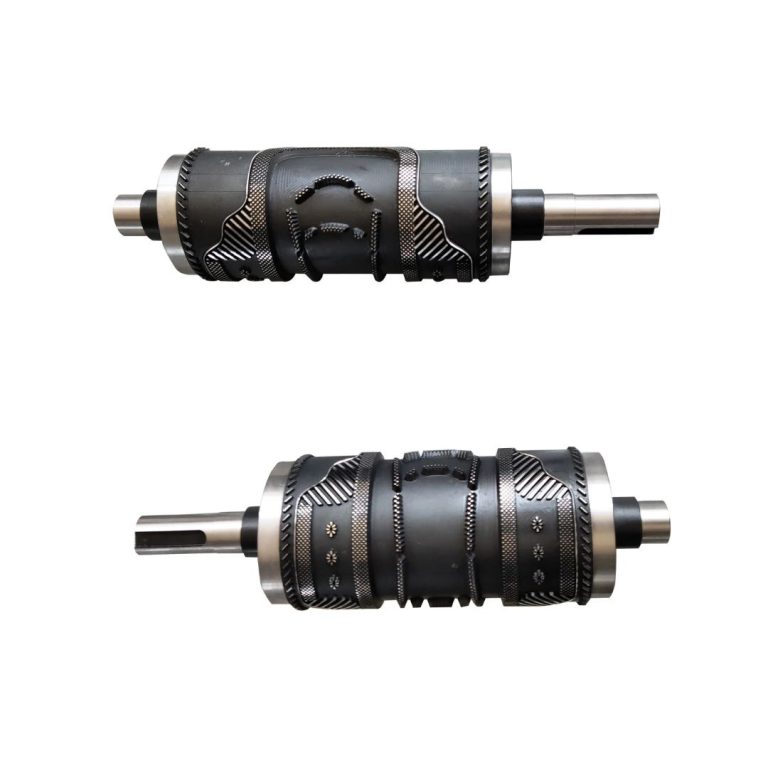
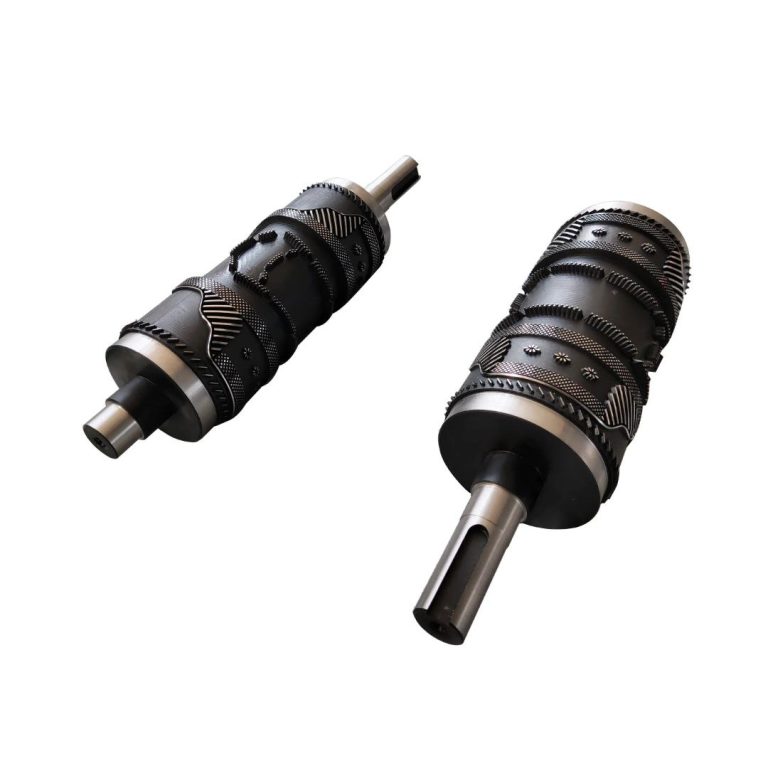
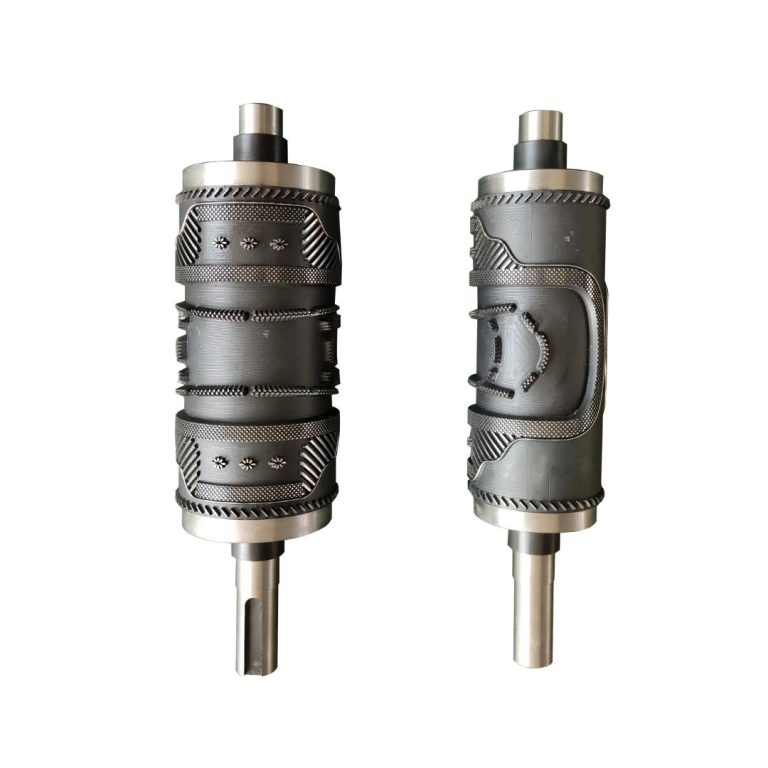
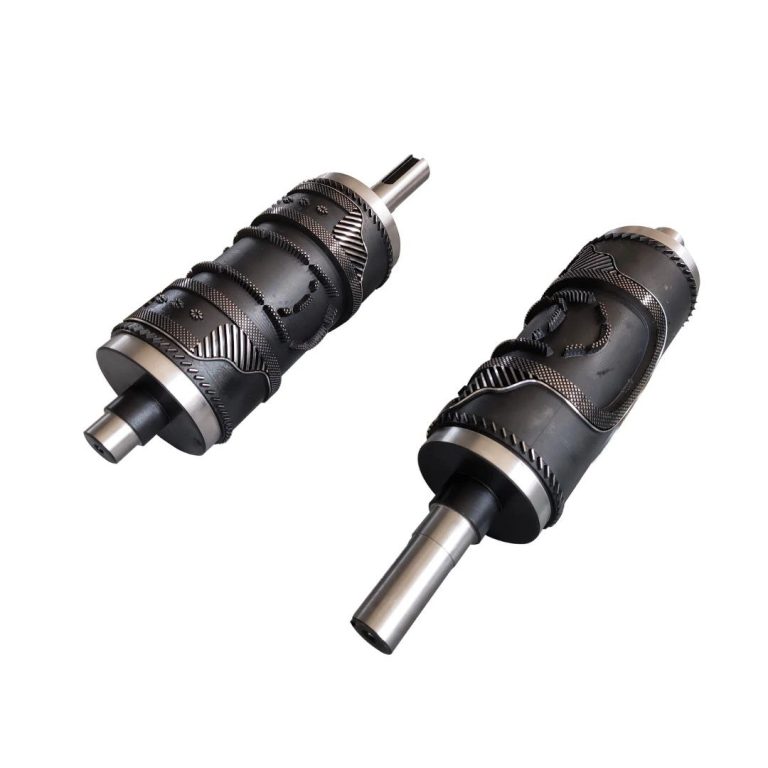
WHY SUNRISE ENGRAVER'S SANITARY PAD ROLLER ?
Precision engraving & surface finishing
A sanitary pad roller (embossing or moulding roller) must have extremely accurate grooves, patterns, and surface quality — to get consistent embossing, bonding, channeling and edge integrity. A specialist engraver will have strong capability in fine machining and engraving. For example, other vendors emphasise groove‑cutting via CNC or EDM for die rollers in sanitary pad machines.Customization of pattern & branding
If you need custom embossing patterns (channels for absorption, brand logos, decorative finishes) the roller supplier must be capable of taking your design and translating it into steel/roller engraving. A dedicated engraver will be more flexible for such customisation compared to a standard off‑the‑shelf roller.High‑wear, high‑precision material & finish
The roller runs under continuous pressure, heat, speed and must maintain dimensional stability and surface integrity. Choosing a supplier who understands wear‑resistant materials, hardening, corrosion resistance, surface finish, balancing, run‑out tolerance etc is important.Integration & compatibility
The roller has to fit your sanitary pad production line (dimensions, mounting, shaft, bearings, alignment with other rollers, ultrasonic sealing etc). If the supplier has experience in hygiene‑product machine components, that helps reduce integration risks.Quality assurance & tracking
A reputable engraver will have good QA practices (surface finish checks, hardness tests, run‑out/balance tests, maybe traceability). That gives you more confidence in consistency and longevity of the roller.After‑sales support & servicing
Because rollers will wear, or patterns may need to be changed (for new product sizes), a supplier who can re‑engrave or refurbish the roller is beneficial.